
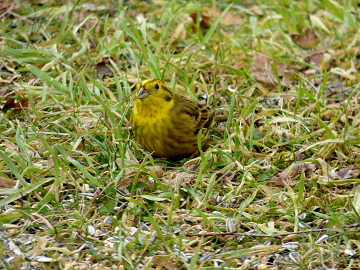
As winter descends upon the UK, wild birds face one of their most challenging periods. Cold temperatures, reduced daylight hours and scarce natural food sources can make it difficult for many smaller farmland birds to survive. However, with the help of dedicated conservation efforts and initiatives like the Countryside Stewardship Option AB12 Supplementary Wild Bird Food. Farmers and land managers can provide crucial support to our during the colder months.
In this article, we will explore the numerous benefits of using the AB12 Supplementary Wild Bird Food option to assist wild birds through the winter months. We will delve into the science behind this approach, highlight the positive impact it has had on bird populations, and present case studies showcasing its effectiveness.
Understanding the Winter Challenge for Wild Birds
Before we dive into the benefits of Stewardship Option AB12 Supplementary Wild Bird Food, it’s essential to grasp the unique challenges farmland birds face during the winter months.
- Food Scarcity: As winter progresses, natural food sources such as insects, wild seeds, and berries become increasingly scarce. The cold weather inhibits the availability of these food items, making it challenging for birds to find the nourishment they need.
- Energy Demands: Birds must expend more energy to stay warm in cold weather, which increases their metabolic rate. This heightened energy demand necessitates a greater intake of calories to maintain their body temperature.
- Reduced Daylight Hours: With shorter daylight hours during winter, wild birds have less time to forage for food. This limitation further compounds their struggle to find sufficient nourishment.
- Competition for Resources: Increased competition for limited food resources can be especially challenging for smaller and less dominant bird species, often leaving them at a disadvantage.
Stewardship Option AB12 Supplementary Wild Bird Food: Offers a Solution
To address these challenges and support wild bird populations during the winter, conservationists and landowners have turned to Stewardship Option AB12. This approach involves providing a supplemental source of high-quality food to assist wild birds during the most challenging months of the year.
Enhanced Survival Rates
One of the primary benefits of Option AB12 is its potential to significantly enhance the survival rates of small farmland wild birds such as finches and sparrows during the winter months. By providing a reliable food source, birds have a much better chance of maintaining their body condition and surviving to breed in the coming spring.
Numerous studies have demonstrated the positive impact of supplementary feeding on bird survival rates. For instance, a study conducted by the British Trust for Ornithology (BTO) found that providing supplementary food during the winter months led to a marked increase in the overwinter survival of several bird species, including blue tits, great tits, and chaffinches.
Improved Reproductive Success
As mentioned above, supplementary feeding can also play a crucial role in improving the reproductive success of wild birds. Adequate nutrition during the winter months ensures that breeding adults are in optimal condition when the breeding season begins in the spring.
A study published in the journal “Ecology and Evolution” found that supplementary feeding had a positive effect on the reproductive success of blue tits. Birds provided with supplemental food were found to have larger clutches and higher fledging success rates compared to those relying solely on natural food sources.
Reduced Stress and Competition
In times of food scarcity, wild birds often experience heightened stress levels and increased competition for limited resources. Supplementary feeding can help alleviate this stress by providing a consistent and easily accessible food source that farmland birds can come to rely on during the winter. With this said anyone looking to use AB12 as an option must do so as laid out in the guidelines and not start and stop as this can cause dependent birds to starve to death in the spot that you were once feeding in.
Valuable Research Opportunities
AB12 also presents valuable research opportunities for scientists and conservationists. By monitoring the bird populations that utilise supplementary feeding sites, researchers can gain insights into bird behavior, health, and population dynamics. This information is crucial for developing effective conservation strategies and understanding the broader ecological implications of supplementary feeding.
Educational Opportunities
AB12 Supplementary Wild Bird Food also presents an excellent opportunity for education and outreach. By engaging the public in bird feeding and conservation efforts, we can raise awareness about the challenges faced by wild birds and inspire a greater appreciation for the natural world.
AB12 Supplementary Wild Bird Food has proven to be a multifaceted and effective approach to supporting wild birds through the winter months. Its benefits extend beyond mere survival, encompassing improved reproductive success, reduced stress and competition, research opportunities, and educational engagement. This initiative has the potential to make a substantial difference in the populations of wild birds across the British countryside while also helping to engage farms and the public with wide picture of wild bird conservation.
As we continue to face environmental challenges and climate fluctuations, initiatives like AB12 serve as important tools in our efforts to conserve and protect our farmland birds. By providing a helping hand during their most challenging season.
For more information on using the AB12 Wild Bird Feed option please call out helpful team on 01673 308492
