
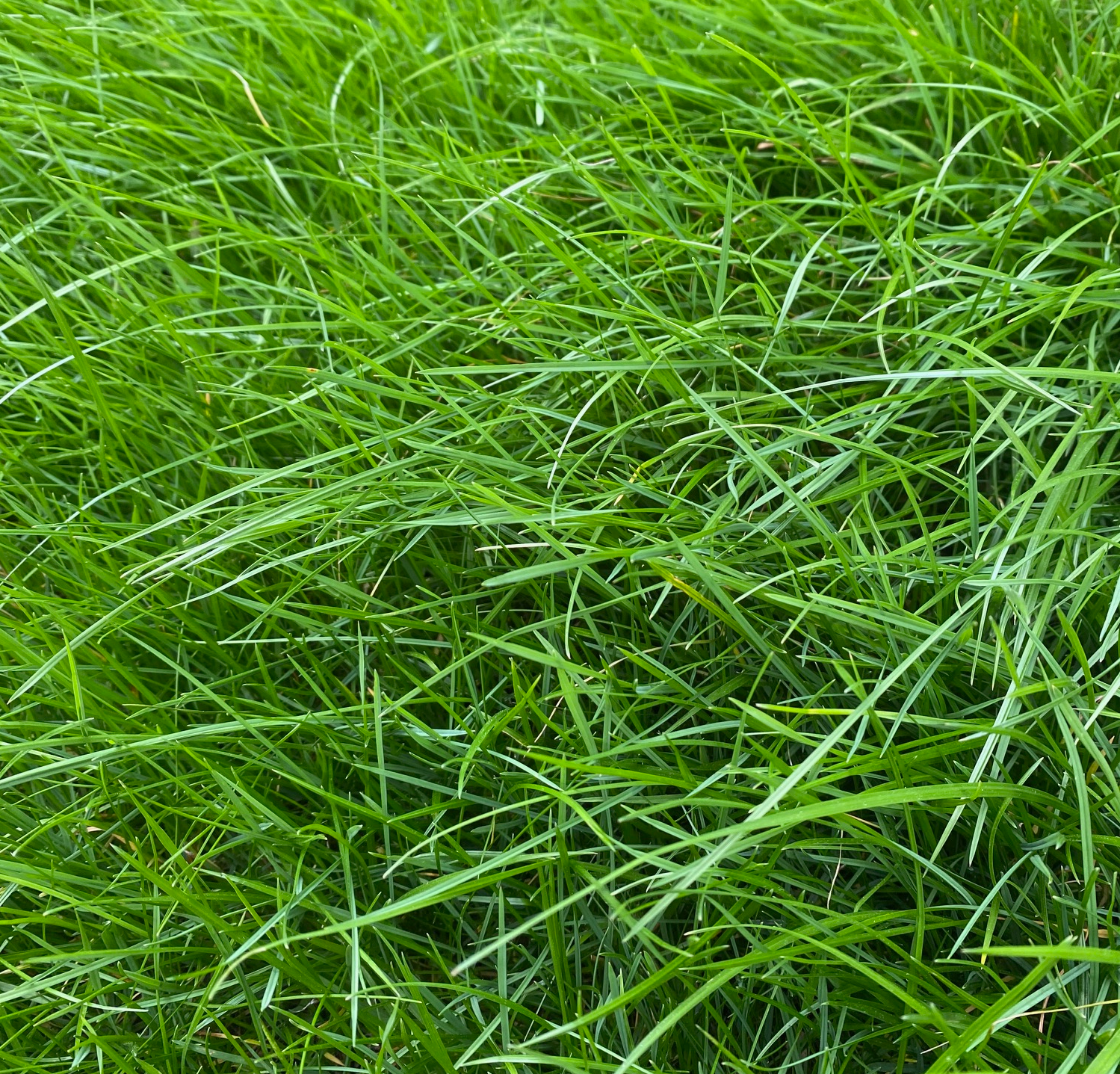
Planting grass seed is a key step in achieving a lush, healthy lawn, but timing is everything. The success of your lawn largely depends on when you decide to sow the seeds. In this blog post, we’ll explore the best months to put down grass seed, considering factors like climate, soil conditions, and the specific needs of different grass varieties.
Spring Awakening: March to May
Spring is often considered the optimal time to sow grass seed for various reasons. As the temperature begins to rise, the soil warms up, creating favorable conditions for seed germination. In the months of March to May, grass seeds have access to ample sunlight and moderate temperatures, promoting healthy growth.
During spring, the risk of frost diminishes, allowing grass seeds to establish themselves without the threat of cold damage. Additionally, spring showers often provide the necessary moisture for seed germination, reducing the need for constant irrigation.
Grasses such as the fescues and ryegrass thrive when sown in spring, taking advantage of the optimal growing conditions and establishing strong roots before the heat of summer arrives.
Autumn Brilliance: September to November
Autumn is another prime window for seeding your lawn, typically spanning from September to November. The soil remains warm from the summer heat, creating an ideal environment for grass seed germination. While the air temperature cools down, the soil retains residual warmth, allowing grass seeds to establish quickly.
Autumn has several advantages for grass seed germination. The cooler temperatures reduce the risk of heat related stresses such as drought on the emerging seedlings, and there is typically more consistent moisture in the soil. Autumn rains and heavy dew contribute to keeping the soil adequately moist, supporting the growth of the developing grass.
Moreover, weed competition tends to be lower in the autumn, providing newly germinated grass seedlings with a better chance to establish themselves without competing for resources.
In conclusion, the best months to put down grass seed depend on various factors, including the type of grass you’re planting, your local climate, and specific soil conditions. Many grass seed mixtures can be sown in either spring or summer and it is down to you to pick which suits best. We feel that an autumn sowing is best as it gives the new grass seed plenty of time to establish before more competitive weeds start to germinate.
Regardless of the season, proper preparation is crucial. Ensure your soil is well prepared, free of debris, and adequately fertilised. Consider factors such as sunlight exposure and moisture levels in your lawn. By choosing the right time to sow your grass seed and providing the necessary care, you set the stage for a vibrant and healthy lawn. For further help on establishing a new lawn read our posts on How Long Does it Take Grass Seed to Grow and When and How to Sow Lawn Seed
